
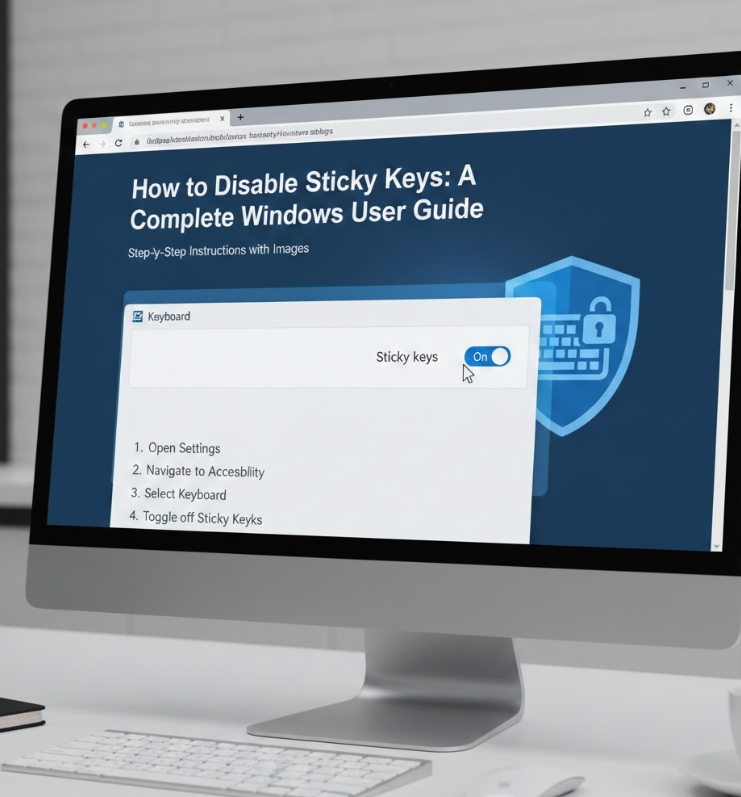
Understanding how to disable Sticky Keys is essential for anyone who uses a keyboard frequently, especially gamers, programmers, writers, and office professionals. Sticky Keys is an accessibility feature built into Windows that allows modifier keys such as Shift, Ctrl, and Alt to remain active without being held down. While this feature is helpful for users with mobility challenges, it can be frustrating for others when it activates unexpectedly.
Many users encounter Sticky Keys for the first time when pressing the Shift key repeatedly, triggering an intrusive popup that interrupts work or gameplay. This unexpected behavior can break concentration, slow productivity, and even cause mistakes during typing or gaming sessions.
This comprehensive guide explains how to disable Sticky Keys across multiple Windows versions, including Windows 11, Windows 10, Windows 7, and Windows XP. You’ll also learn how to disable the Sticky Keys popup, stop keyboard-triggered activation, and ensure the feature stays permanently off. Each section provides expert-level explanations, actionable steps, and best practices to give you full control over your keyboard experience.
Understanding Sticky Keys and Why It Activates
Sticky Keys is part of Windows Accessibility (Ease of Access) features designed to help users who struggle with holding down multiple keys at once. When enabled, modifier keys stay active until another key is pressed.
The feature is often triggered accidentally by pressing the Shift key five times in quick succession. This shortcut is enabled by default, which is why many users experience the Sticky Keys popup without intentionally turning it on.
While accessibility tools are important, Windows allows full customization so users can disable Sticky Keys completely or remove its shortcuts. Knowing how Sticky Keys works helps prevent it from re-activating unexpectedly.
Also Read:- How to Address an Envelope: A Complete, Step-by-Step Expert Guide
How to Disable Sticky Keys Popup
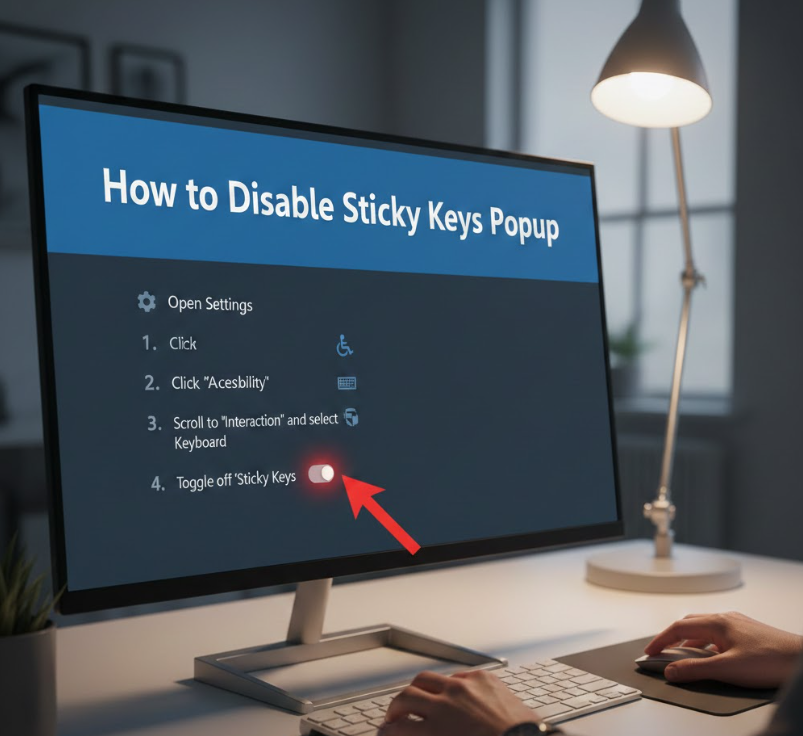
The Sticky Keys popup is one of the most disruptive aspects of the feature. It appears suddenly and demands user input, often during typing or gaming.
What the Sticky Keys Popup Does
The popup asks whether you want to turn Sticky Keys on after detecting repeated Shift key presses. Even if you click “No,” it may reappear unless fully disabled.
How to Permanently Disable the Sticky Keys Popup
• Open Windows Settings and navigate to Accessibility or Ease of Access
• Locate Keyboard accessibility settings and find Sticky Keys
• Turn off Sticky Keys completely using the main toggle
• Disable the keyboard shortcut that activates Sticky Keys
• Turn off the warning message or popup notification option
• Restart your computer to apply changes system-wide
Disabling the popup ensures uninterrupted workflow and prevents accidental feature activation in the future.
Also Read:- How to Prestige in BO6: The Ultimate Beginner-to-Expert Guide
How to Disable Sticky Keys in Windows 11
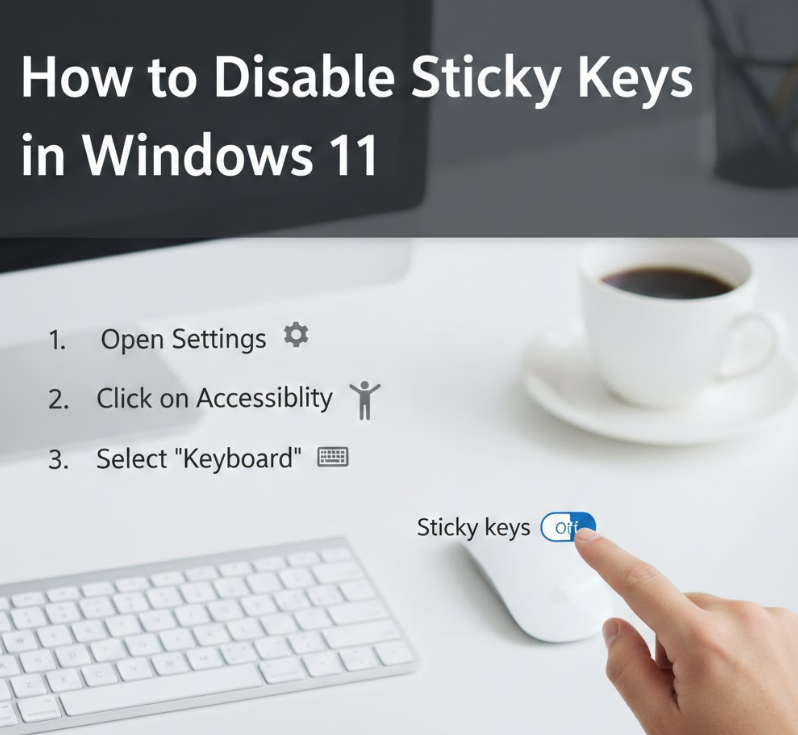
Windows 11 includes a redesigned Accessibility menu, but Sticky Keys is still enabled by default in many installations.
Where Sticky Keys Lives in Windows 11
Sticky Keys is located under Accessibility settings, grouped with other keyboard assistance tools.
Step-by-Step Windows 11 Sticky Keys Disable Process
• Open Settings from the Start menu
• Select Accessibility from the left navigation panel
• Click Keyboard under Interaction settings
• Toggle Sticky Keys to the Off position
• Disable the keyboard shortcut and popup warning
• Confirm changes and restart if prompted
Turning off Sticky Keys in Windows 11 improves typing responsiveness and prevents interruptions, especially during gaming or professional tasks.
Also Read:- How to Open a Combination Lock: A Safe, Legal, and Practical Guide
How to Disable Sticky Keys in Windows 10
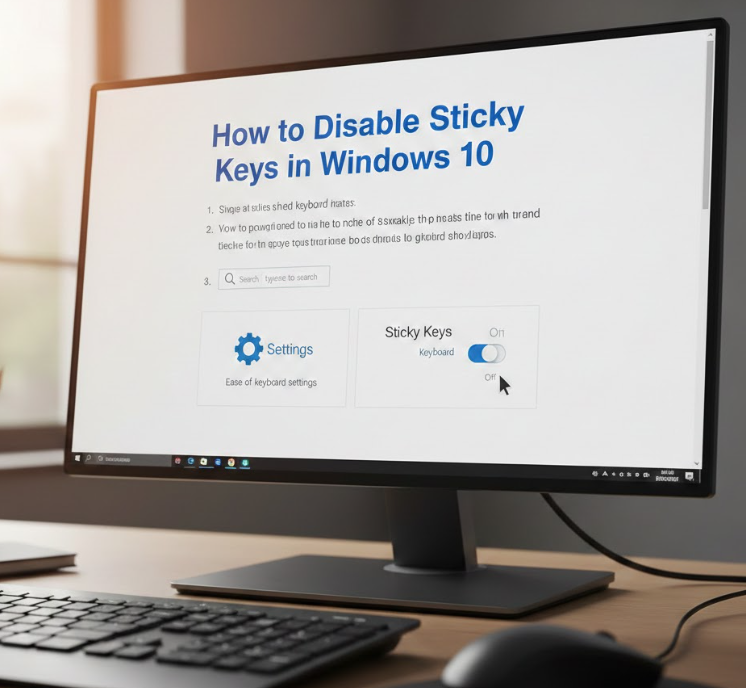
Windows 10 users frequently encounter Sticky Keys due to its default shortcut behavior and notifications.
Why Sticky Keys Is Common in Windows 10
Windows 10 aggressively promotes accessibility features, sometimes enabling prompts without explicit user intent.
How to Turn Off Sticky Keys in Windows 10
• Open Settings and select Ease of Access
• Choose Keyboard from the left sidebar
• Turn off Sticky Keys using the main switch
• Disable the shortcut that activates Sticky Keys
• Turn off the warning message option
• Apply settings and test keyboard behavior
Disabling Sticky Keys in Windows 10 ensures smoother keyboard performance and fewer distractions.
Also Read:- How to Use a Compass: A Complete Guide for Beginners, Kids, and Advanced Uses
How to Disable Sticky Keys on Keyboard (Shortcut Method)
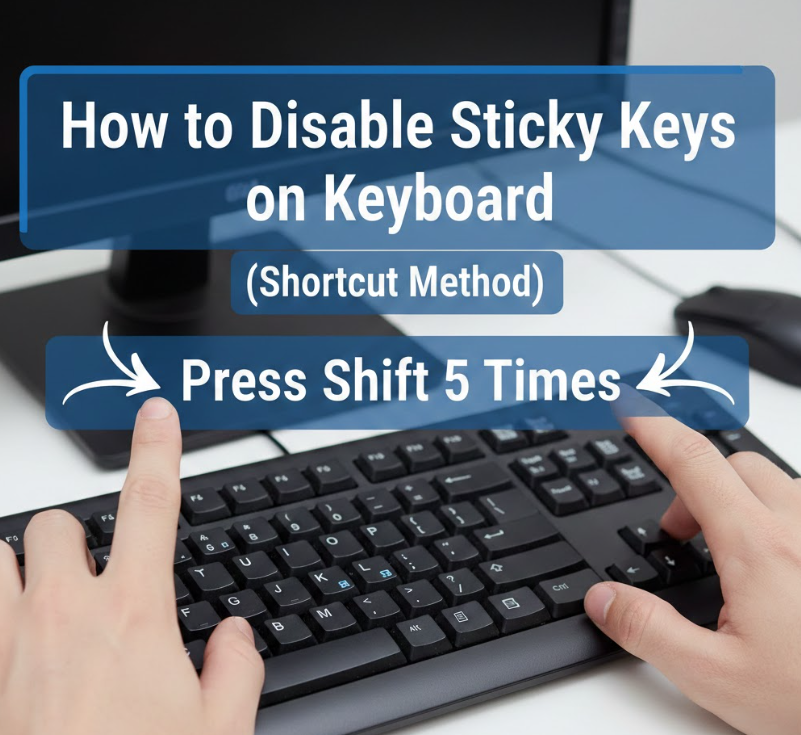
Some users prefer disabling Sticky Keys directly through keyboard-related settings rather than navigating system menus.
Why Keyboard-Level Control Matters
Keyboard shortcuts are the primary trigger for Sticky Keys, so disabling them prevents accidental activation entirely.
Effective Keyboard-Based Sticky Keys Control
• Press Shift five times to open Sticky Keys settings
• Select the option to disable the feature permanently
• Uncheck shortcut activation settings
• Confirm changes within Accessibility options
• Test by pressing Shift repeatedly to ensure no popup appears
• Save settings to user profile
This method is especially useful when Sticky Keys interrupts typing in real time.
Also Read:- How to Get Ink Out of Clothes: The Complete Expert Guide for Every Ink Stain
Windows 7: How to Disable Sticky Keys
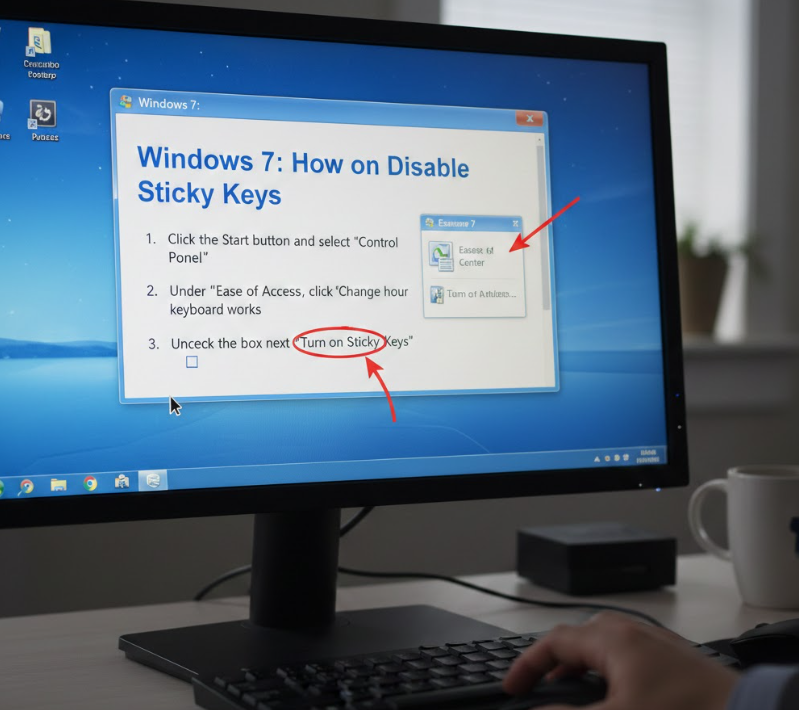
Windows 7 uses the classic Control Panel layout, which differs from modern Windows versions.
Where to Find Sticky Keys in Windows 7
Sticky Keys is located under Ease of Access Center within Control Panel.
Disabling Sticky Keys in Windows 7
• Open Control Panel from the Start menu
• Select Ease of Access Center
• Click “Make the keyboard easier to use”
• Uncheck “Turn on Sticky Keys”
• Disable shortcut activation and warnings
• Apply settings and restart the system
This ensures Sticky Keys remains disabled across all sessions.
Also Read:- How to Reheat Pizza in Oven: The Ultimate Guide for Perfect Leftover Pizza
How to Disable Sticky Keys in Windows XP
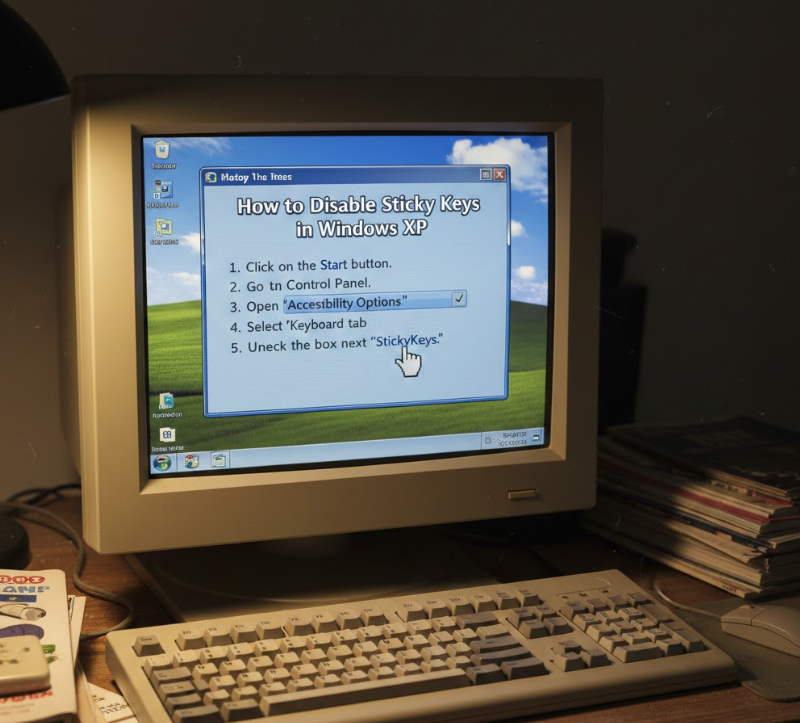
Windows XP, though outdated, is still used in legacy systems and specialized environments.
Sticky Keys in Legacy Windows Systems
In Windows XP, Sticky Keys was one of the earliest accessibility features and is enabled by default.
Steps to Disable Sticky Keys in Windows XP
• Open Control Panel from the Start menu
• Click Accessibility Options
• Navigate to the Keyboard tab
• Uncheck “Use Sticky Keys”
• Disable shortcut activation
• Click Apply and OK to save
Disabling Sticky Keys in Windows XP improves usability on older hardware and software setups.
Common Problems When Sticky Keys Won’t Stay Disabled
Sometimes Sticky Keys re-enables itself due to system policies or updates.
• User profiles not saving accessibility settings
• Group Policy overrides in work environments
• Windows updates resetting accessibility defaults
• Corrupted user profiles
• Third-party keyboard software conflicts
• Remote desktop accessibility settings
Addressing these issues ensures Sticky Keys remains permanently off.
Conclusion: Take Full Control by Disabling Sticky Keys
Learning how to disable Sticky Keys gives you full control over your keyboard experience. While Sticky Keys serves an important accessibility purpose, it should never interrupt productivity or gaming for users who don’t need it.
By following the step-by-step guidance for Windows 11, Windows 10, Windows 7, Windows XP, and keyboard-based methods, you can permanently disable Sticky Keys and its popup notifications. This ensures a smoother, distraction-free computing experience across all tasks.
FAQs
Why does Sticky Keys keep turning on?
Because the keyboard shortcut is enabled by default.
Can I disable Sticky Keys permanently?
Yes, by turning off both the feature and its shortcut.
Does disabling Sticky Keys affect system performance?
No, it only changes keyboard behavior.
Is Sticky Keys required for accessibility compliance?
No, it’s optional and user-controlled.
For More Update Visit: VallayTaxNv
