
Knowing how to quit a job is a critical life skill that directly impacts your career, reputation, mental health, and financial stability. While leaving a job may feel uncomfortable or intimidating, doing it correctly can protect your professional image and open doors for future opportunities. Many people delay resignation because they fear conflict, judgment, or uncertainty—but staying in the wrong job often causes more harm than leaving.
This comprehensive guide explains how to quit a job in real-world situations, including quitting a job you just started, quitting without notice, quitting professionally, quitting over text, and quitting a job you hate. Each scenario is explained with empathy, clarity, and actionable advice grounded in workplace best practices and employment research.
How to Quit a Job You Just Started

Quitting a job you just started can feel embarrassing or risky, but it’s more common than most people think. Early resignations happen when expectations don’t match reality, company culture feels wrong, or personal circumstances change. Learning how to quit a job you just started properly allows you to exit with integrity while minimizing long-term career impact.
The key is honesty, speed, and professionalism. Employers usually prefer a quick, respectful departure over disengaged performance.
Smart Ways to Quit a Job You Just Started Respectfully
• Evaluate your reason clearly before acting
Before resigning, reflect on whether the issue is temporary or structural. A poor onboarding experience may improve, but ethical concerns or job misrepresentation rarely do. Clear reasoning helps you communicate confidently and avoid second-guessing later.
• Resign sooner rather than later
The earlier you leave, the less disruption you cause. Employers can redirect training resources and reopen the position quickly. Delaying resignation after deciding to quit can harm both parties.
• Request a private conversation with your manager
Even in early employment, face-to-face or video communication shows respect. Keep the discussion brief and focused on fit rather than blame or complaints.
• Be honest but tactful
You don’t need to overshare. Saying the role isn’t the right fit or doesn’t align with your career goals is sufficient. Avoid criticizing coworkers or management.
• Offer a short transition if appropriate
If you’ve already started training, offer to document what you’ve learned. This gesture demonstrates professionalism and maturity.
• Leave the door open for the future
Thank the employer for the opportunity and express appreciation. Early exits don’t have to burn bridges if handled correctly.
Also Read:- How to Make a Fortune Teller: A Complete Step-by-Step Paper Origami Guide
How to Quit a Job Without Notice

Quitting a job without notice is sometimes unavoidable due to health, safety, mental well-being, or emergencies. While notice periods are ideal, real-life situations don’t always allow for them. Understanding how to quit a job without notice responsibly helps protect your dignity and minimize fallout.
The goal is to communicate clearly, respectfully, and directly—even if the exit is immediate.
Responsible Ways to Quit a Job Without Giving Notice
• Assess whether immediate departure is justified
Unsafe work conditions, harassment, severe stress, or medical emergencies are legitimate reasons. Your well-being always takes priority over workplace norms.
• Notify your employer directly and promptly
Avoid disappearing or “ghosting.” A clear message explaining your immediate resignation shows respect and professionalism despite the short notice.
• Keep communication factual and calm
Avoid emotional language or accusations. Briefly state your reason without escalating conflict or creating legal risk.
• Return company property promptly
Arrange to return keys, devices, or documents quickly. This helps maintain trust and reduces administrative complications.
• Understand potential consequences
Quitting without notice may affect references or final pay policies. Reviewing your contract beforehand helps you prepare.
• Document your resignation in writing
Send a written resignation (email or letter) to create a clear record. This protects you if disputes arise later.
Also Read:- How to Fix a Zipper: A Complete Step-by-Step Repair Guide for Every Situation
How to Quit a Job Over Text
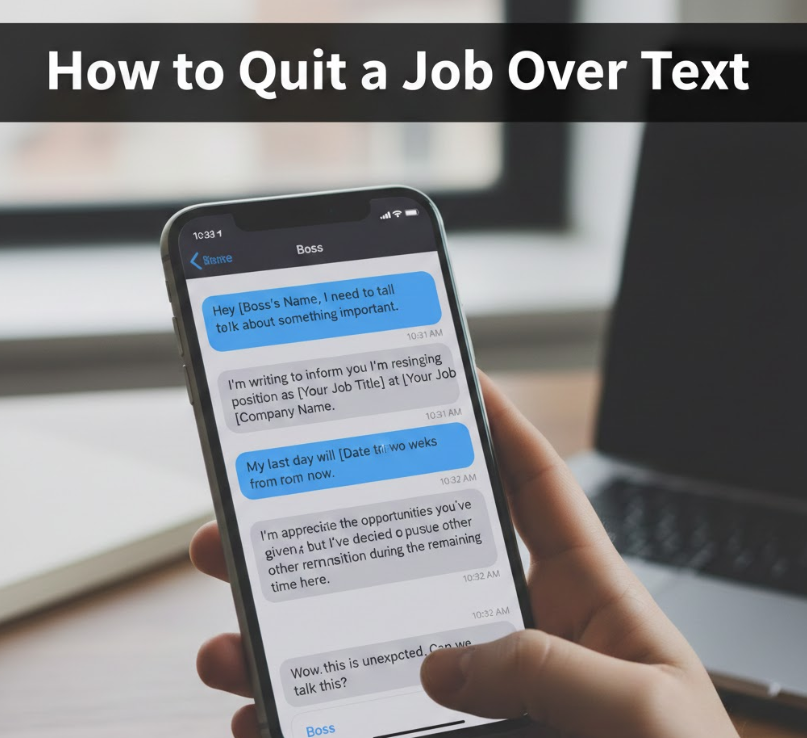
Quitting a job over text is generally discouraged, but there are scenarios—such as remote work, shift-based roles, or hostile environments—where it may be appropriate. Knowing how to quit a job over text properly ensures clarity, respect, and professionalism even in informal communication.
The key is to treat the message as a formal resignation, regardless of the medium.
Best Practices for Quitting a Job via Text Message
• Use text only when appropriate
Text resignation is acceptable for hourly, temporary, or informal roles—but not ideal for senior or corporate positions unless circumstances demand it.
• Be concise and respectful
Avoid slang, emojis, or casual tone. Clear language reduces confusion and ensures your intent is understood.
• State your resignation clearly
Ambiguity can cause misunderstandings. Clearly state that you are resigning and include your effective date.
• Avoid emotional explanations
Text messages lack tone nuance. Keep reasons brief and neutral to prevent misinterpretation.
• Offer to follow up formally
Mention that you can send an email or letter if needed. This reinforces professionalism.
• Save confirmation of delivery
Keep records of your message in case there are disputes about notice or timing.
Also Read:- How to Make Oobleck: The Ultimate Science-Based Guide for All Methods
How to Quit a Job Professionally
Learning how to quit a job professionally is one of the most important career skills you can develop. A professional resignation preserves relationships, protects references, and reinforces your reputation—even when leaving under difficult circumstances.
Professional quitting focuses on respect, preparation, and communication.
Steps to Quit a Job Professionally and Gracefully
• Prepare before announcing your decision
Secure your next role if possible, review your contract, and plan your timeline. Preparation reduces anxiety and mistakes.
• Schedule a private meeting with your manager
Delivering the news personally shows respect. Choose a calm moment rather than busy or stressful periods.
• Provide a formal resignation letter
A written resignation creates clarity and documentation. Keep it positive, concise, and factual.
• Give proper notice when possible
Two weeks’ notice is standard in many industries. This allows for smoother transitions and goodwill.
• Offer transition support
Document tasks, train replacements, or assist with handover planning. This demonstrates professionalism and accountability.
• Maintain strong performance until departure
Avoid disengaging or “checking out.” Your final weeks shape lasting impressions.
Also Read:- How to Grill Ribs: The Complete Step-by-Step Guide for Perfect BBQ Ribs
How to Quit a Job You Hate

Quitting a job you hate is often emotionally charged. Prolonged dissatisfaction can affect mental health, confidence, and personal relationships. Knowing how to quit a job you hate thoughtfully helps you leave without unnecessary regret or damage.
The focus should be on self-respect, planning, and future alignment.
Healthy Ways to Leave a Job You Hate
• Identify what you dislike specifically
Clarifying whether the issue is workload, culture, management, or role misalignment helps guide your next career move.
• Avoid impulsive resignations
Even when unhappy, planning reduces financial and emotional stress. Having a transition plan increases confidence.
• Separate emotion from communication
You can feel frustrated internally but still communicate calmly and professionally. This protects your reputation.
• Focus on future goals, not past pain
Frame your resignation around growth and alignment rather than dissatisfaction or blame.
• Seek support during the transition
Talk to mentors, career coaches, or trusted friends to gain perspective and encouragement.
• Use the experience as a learning opportunity
Every difficult job clarifies what you value and what to avoid moving forward.
Also Read:- How to Get Sick: Why People Search It and What to Do Instead
How to Quit a Job Immediately
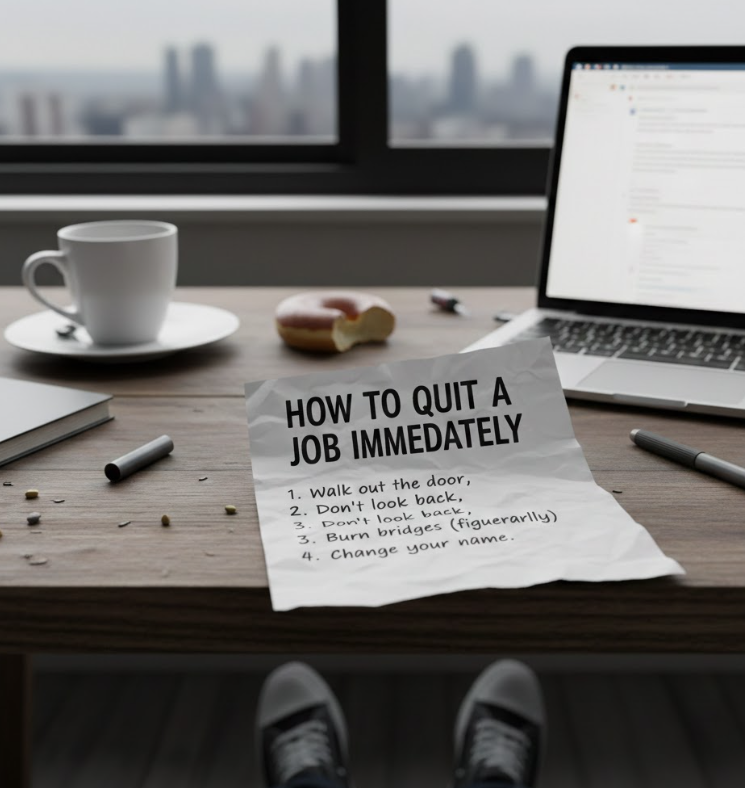
Quitting a job immediately is sometimes necessary due to urgent personal, ethical, or safety concerns. Understanding how to quit a job immediately responsibly helps minimize damage while prioritizing your well-being.
Immediate resignation should still follow basic professional principles.
How to Resign Immediately Without Escalating Conflict
• Communicate as soon as possible
Delaying communication creates confusion and tension. Prompt notice shows responsibility.
• Keep the message direct and respectful
State that you are resigning effective immediately and provide a brief explanation if appropriate.
• Avoid arguments or confrontations
Immediate resignations can trigger strong reactions. Staying calm protects you legally and emotionally.
• Return company property quickly
Arrange drop-off or shipment of company items to maintain professionalism.
• Document everything
Written communication protects you if questions arise about notice, pay, or conduct.
• Prioritize health and safety
If conditions are harmful, leaving immediately is justified. No job is worth risking your well-being.
Also Read:- How to Get Rid of Razor Burn: The Complete Dermatologist-Backed Guide
Conclusion: How to Quit a Job with Confidence and Integrity
Learning how to quit a job empowers you to take control of your career without unnecessary fear or guilt. Whether you’re leaving professionally, immediately, or under challenging circumstances, respectful communication and thoughtful planning make all the difference. A well-handled resignation protects your reputation, preserves relationships, and sets the stage for healthier, more fulfilling work ahead.
Leaving a job is not failure—it’s a strategic decision toward growth.
FAQs
Is it okay to quit a job without another one lined up?
Yes, especially if health or well-being is at risk, but financial planning is essential.
Can quitting a job hurt my future career?
Only if handled poorly. Professional exits rarely cause long-term harm.
Should I explain my reason for quitting?
Brief, neutral explanations are best. Oversharing is unnecessary.
For More Update Visit: VallayTaxNv
